District Learning Support Services, Burnaby Schools

Author: singt (Page 1 of 3)

Welcome Back to School!

Welcome back! The start of a new school year brings excitement, opportunities for growth, and many new routines. While some children eagerly jump into new schedules, others may need extra support as they adjust to changes in their daily activities. One simple and effective way to help young learners feel confident and prepared is to use visual schedules. Visual schedules provide children with a clear picture of what to expect throughout their day. By seeing their routine displayed in an easy-to-understand format, children can develop greater independence, reduce anxiety about transitions, and feel more successful completing everyday tasks.

Visual schedules can be as simple or detailed as your child needs. Below is an example of steps in a morning routine. Your child can check off each step as they complete it, helping them stay on track and build responsibility:

My Morning Checklist

⬜ 🚽 Use the bathroom

⬜ 👕 Get dressed

⬜ 🪥 Brush teeth

⬜ 🍳 Eat breakfast

⬜ 🧴 Brush hair

⬜ 🎒 Pack backpack

⬜ 👟 Put on shoes

⬜ 🧥 Put on jacket

⬜ 🚗 Go to school!

Visual schedules can also help children keep track of their weekly activities. You can draw on a calendar or weekly chart. Place this schedule on the refrigerator, near the front door, or in your child’s homework area. Reviewing it together each morning can help your child feel prepared and confident about their school day. Children can also add stickers, check marks, or drawings to personalize their schedule. Here is an example:

Monday Tuesday Wednesday Thursday Friday
🎵 Music 🏃 Gym 📚 Library 🎵 Music 🏃 Gym

Knowing what is coming next can help children feel more comfortable and prepared for their day. You can use a combination of pictures or photographs with words. You can create schedules using paper and pictures, sticky notes, a whiteboard, or digital tools and apps. A visual schedule is simply a tool to help your child understand their routine and build confidence. As children become more familiar with their schedules, many begin to complete tasks more independently and experience less stress during transitions.

As your family settles into the new school year, consider trying a visual schedule that fits your child’s needs. A little planning and visual support can go a long way toward creating smoother mornings, successful school days, and a positive start to the year.  We wish all of our students and families a wonderful school year filled with learning, growth, and success!

Supporting Language Skills in Springtime

Spring is a wonderful season for growing language skills—there’s so much to see, touch, hear, and explore! Everyday spring activities can spark great conversations and help children build vocabulary, sentences, and thinking skills. Here are simple, natural ways to support language learning at home:

  1. Talk About What You See

Spring brings new sights, sounds, and changes in the environment. Encourage your child to:

  • Name what they notice: flowers, bugs, animals, weather changes
  • Use describing words: colors, sizes, shapes, textures
  • Compare things: “This flower is taller than that one,” “The puddle is deeper.”
  1. Explore Outdoors Together

Use walks, park visits, or backyard play as language opportunities:

  • Label nature items (buds, nests, petals, worms, raindrops)
  • Talk about actions (growing, hopping, raining, melting)
  • Point out changes: “The snow is gone,” “The leaves are starting to grow.”
  1. Build Vocabulary Through Play

Narrate what’s happening as you play and explore together: “First we dig in the soil… then we plant the seed… last we water and wait!”  Springtime activities naturally teach new words.


Please check out this article for more information on how children learn language naturally, during everyday interactions.

Autism Acceptance Month

October is Autism Acceptance month in Canada.

Autism Acceptance month is a time to celebrate neurodiversity and increase our understanding of Autism. This helps to reduce the stigma and discrimination that Autistic people experience, and it empowers Autistic individuals to express themselves confidently.

Did you know?

 In September 2024, the Public Health Agency of Canada published a new framework for Autism in Canada.

“The purpose of the Framework for Autism in Canada (framework) is to promote the health and well-being of children, youth, adults and older adults on the autism spectrum, their advocates, families, and caregivers; and to provide a common direction for autism in Canada that lays the foundation for collaborative and complementary action to be taken by all sectors. The framework was created in response to the Federal Framework for Autism Spectrum Disorder Act” (Government of Canada, 2024).

To read and learn more about this framework for Autism in Canada click here.

The SLPs at the Burnaby school district value the unique perspectives, strengths, and talents of Autistic individuals, their families/caregivers, and the Autistic community.  We are excited to celebrate Autism acceptance Month with you! To learn more about The Role of Speech-Language Pathologists in Supporting Autistic People click the link.

Reference

Government of Canada. (2024, September 26). Framework for Autism in Canada. https://www.canada.ca/en/public-health/services/publications/diseases-conditions/framework-autism-canada.html#a3.1

Back to School Strategies

Engaging with your child about their day at school can be a rewarding experience, but it can also be frustrating for parents when your child gives a one word answer to the common question, “How was school today?”

Here are some additional ways to encourage your child to share more:

  1. Ask Specific Questions: Instead of general questions, ask about specific parts of their day. For example, “Who did you sit with at lunch?” or “What game did you play during recess?”
  2. Create a Routine: Establish a daily routine where you spend a few minutes talking about each other’s day. This can be during dinner, a walk, or bedtime.
  3. Use Conversation Starters: Try fun and engaging questions like, “What made you laugh today?” or “Tell me the most interesting thing you learned about.”
  4. Be an Active Listener: Show genuine interest in what they say. Use body language, facial expressions, and follow-up questions to show you are engaged..
  5. Share Your Own Stories: Share something about your day first. This can make them feel more comfortable opening up about their own experiences.
  6. Engage in Activities Together: Sometimes, doing an activity together like cooking, playing a game, or drawing can naturally lead to conversations about their day.
  7. Avoid Immediate Interrogation: Give them some time to unwind after school before asking about their day. They might need a little space before they’re ready to talk.
  8. Use Visual Aids: Using drawings or pictures to talk about their day can be helpful. Ask them to draw something they did or saw.
  9. Encourage Storytelling: Ask them to tell a story about their day, focusing on details and emotions. This can help them articulate their experiences better.

These strategies can help create a more open and communicative environment, making it easier for your child to share their thoughts and experiences with you.

Please see the About page for the name of the speech-language pathologist for your child’s school and browse by topic for other areas of information.

Growing with DLD

What is Developmental Language Disorder (DLD)? It’s the most common childhood disorder that most people have never heard of. DLD  affects 1 in 14 people causing difficulties understanding and using language for no known reason. In Canada, there are approximately 2.6 million people with DLD. DLD is a lifelong problem and affects people of all ages.

Today is international DLD Awareness day and the 2022 theme is Growing with DLD. DLD is a lifelong, permanent disability. People do not grow out of DLD but can thrive with supports that can include speech-language therapy and educational adjustments. It’s about growing with DLD.

Resources

RADLD Canada

DLD and Me

Raising Awareness about DLD video

How Was School Today?

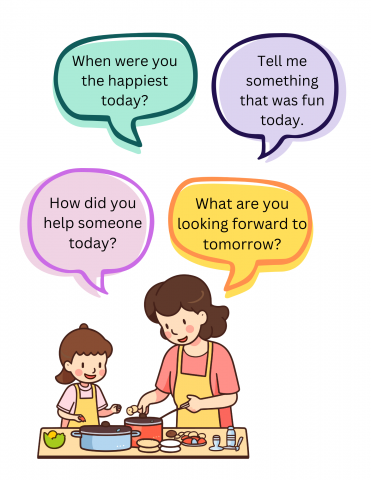
Welcome back to school! Many children often give a one word answer to the common question, “How was school today?” Try some alternative questions to help your child share more information about their day:

  • What was your favourite/least favourite part of today?
  • Tell me something that was exciting/scary/funny/gross/cool.
  • Who did you help today? How were you helped today?
  • When were you happiest today?
  • Where did you play and who did you play with at recess today?
  • Tell me the most interesting thing you learned about.
  • What are you looking forward to tomorrow?

Some children will also use a  home/school communication book to help them share important information about their day. Please click here for examples. Please see the About page for the name of the speech-language pathologist for your child’s school.

« Older posts