Happy Friday! We’ve recently added an Early Literacy resource section to this blog which includes information on Learning to Read and updated resources on Phonological Awareness. Hope you and your child can have fun with the activities!
District Learning Support Services, Burnaby Schools
Happy Friday! We’ve recently added an Early Literacy resource section to this blog which includes information on Learning to Read and updated resources on Phonological Awareness. Hope you and your child can have fun with the activities!

Playing with toys can create a rich environment for developing your child’s communication skills. It allows your child to learn a variety of speech and language skills that are meaningful to their lives.
Here are some ideas on how you can play with some of the things you already have around the home:
The winter holidays can be a fun (and busy!) time of year for many kids and their families. There are lots of opportunities to support language skills during holiday activities while your family is away from school over the holidays. See what suggestions below would be fun and easy for your family to try.
Happy holidays, from the Burnaby SLP Team!
More ideas:
https://childspeech.net/holiday-speech-therapy-tips/
https://blog.expressable.io/holiday-themed-speech-therapy-activities-to-practice-at-home/
https://supersimple.com/article/fa-la-la-la-language-activities-for-christmas/

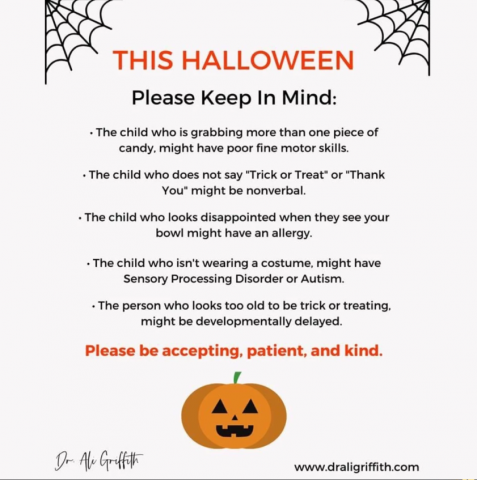
Developmental Language Disorder (DLD) is a neurodevelopmental condition that is very common, affecting approximately 7% of the population. The cause of DLD is generally unknown. A person with DLD can have difficulty talking and understanding spoken language. Spoken words and sentences can be challenging for people with DLD. DLD may also impact behaviour, attention, academic achievement, and peer relationships.
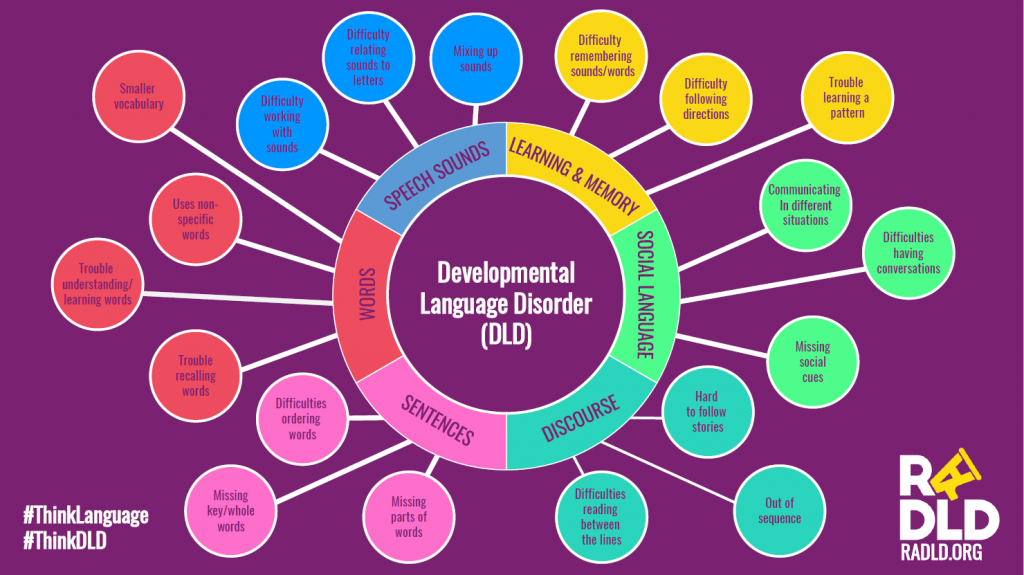
The Burnaby Speech Language Pathologists work with many students with DLD. We also support families and school teams.
For many students and families, transitioning back to school can be challenging. Part of the challenge is that all children are developing their executive function skills. These are the mental processes that allow us to plan, focus attention, remember instructions, and juggle multiple tasks successfully. Like an orchestra conductor or an air traffic controller, to do all this the brain builds the ability to filter distractions, prioritize tasks, set and achieve goals, and control impulses (self-regulation). While executive functions are emerging for all children, they can be more challenging for students with learning and behavioral disabilities. Executive functions have a major impact on a child’s academic and social participation and success.
There are many ways to help your child at home with developing their executive functions and independence. Try using visual reminders of the morning, after school and bed time routines. This can include something as simple as a written or drawn-out schedule on their bedroom door, the fridge or the bathroom.


For more tips, check out our new executive functions page!
Thank you to all the caregivers of our students who attended our virtual Articulation Workshop with enthusiasm. Fill, sign, and return an Informed Consent form to have your Articulation Home Program sent home with your child. Please contact your school speech-language pathologist with any further questions. Have fun practicing!


Orange Shirt Day is a day that we honor and remember the Indigenous children who were taken from their families and sent to residential schools across Canada.
Phyllis Webstad was given an orange shirt by her grandmother before she was sent to a residential school. When she got to the school, they took her clothes and belongings, including her beautiful new orange shirt. She never got it back. When this happened to her, she felt as though “my feelings didn’t matter, how no one cared and I felt like I was worth nothing.”
For more information, please watch Phyllis’ story here.
Your child may be learning about this and participating in special activities related to this day at school. Here are some ways you can further the conversation with your child at home. It is a great time to target some language goals too!
For more child friendly resources and information, check out these websites:
https://www.cbc.ca/kidscbc2/the-feed/what-is-orange-shirt-day
https://www.orangeshirtday.org
Also check out these children’s books by Indigenous authors: Some great books are featured right here on CBC Kids!

This will be a back to school year like no other! We will be smiling behind our masks and are excited to see everyone again. Wearing masks helps reduce the spread of COVID-19 in the community but it can sometimes make communication more difficult, especially for people who have trouble speaking or hearing.
• Masks make voices muffled and harder to hear.
• Masks cover facial expression and prevent speech reading. Without visual cues, people with hearing loss or communication difficulties may have even more trouble understanding what they are hearing.
• People with communication difficulties may not be able to make themselves understood through a mask.
• Move to a quiet place, or reduce competing noises in the environment.
• For those who wear hearing aids, ensure they are working well.
• Face your communication partner and make sure nothing is blocking your view.
• Get the attention of your communication partner before you start talking.
• Ask what you can do to make communication easier for both of you.
• Speak a little more slowly and slightly louder than usual, but do not shout or exaggerate your speech.
• Use your eyes, hands and body movements to add more information to your speech.
• Use a voice amplifier.
• Ask if your communication partner understood you. If not, repeat, rephrase or write it down.
• Use speech-to-text apps to transcribe speech in real time.
Please see General Public Masks Info Sheet by Speech-Language and Audiology Canada for further information.
Have a safe and healthy school year!

Many parents are looking for ideas to to keep their kids busy over the summer at this time of year. Here are some fun activities to try that target speech and language goals (you can also print out Summer Speech & Language Bingo)
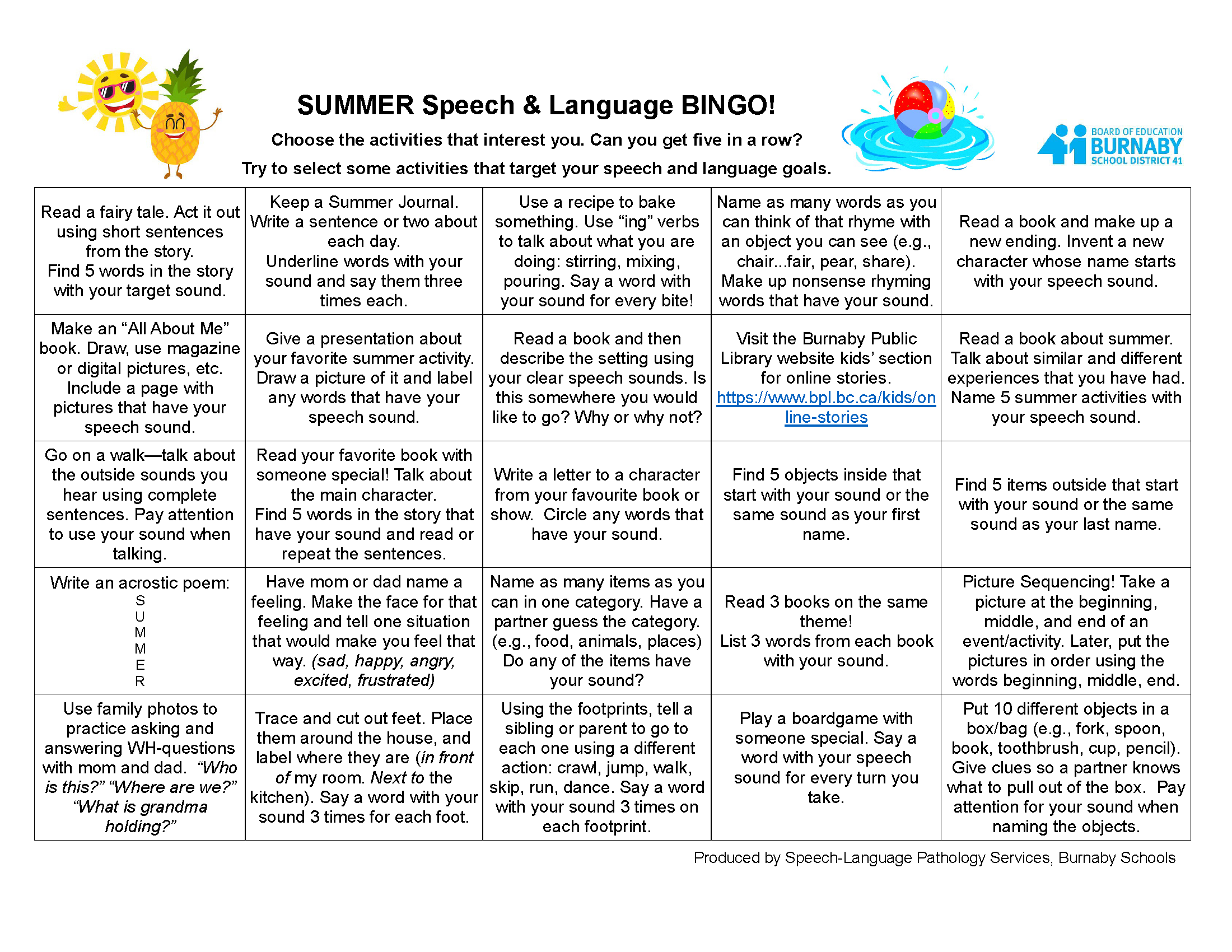
For more ideas, check out our handouts on how to support your child’s language during everyday activities. See our articulation section for ideas and materials to practice specific speech sounds. Dr. Henry reminds us to “Be kind, be calm and be safe.” As the unique school year ends, also try to have a FUN summer!
© 2026 Speech-Language Pathology Services
Theme by Anders Noren — Up ↑